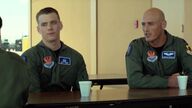


Fighter pilot and major Thomas Egan used to fly F16 fighter jets in Iraq and Afghanistan. Now he is still in charge of flying missions in Southeast Asia, but his working place is 7,000 miles away in Nevada. He is now a drone pilot. The story is not about the future of war, but about the present. After eight hours of fighting with the Taliban, Thomas returned to his home in the suburbs and faced his wife and children who had been at odds with him for a long time. This was a new type of schizophrenia brought about by the war.
However, the picture Thomas saw was so vivid, as he said, "Once you have seen it, you can no longer ignore it." He began to disconnect from the real life. There is a voyeuristic element in his mission. Most of his work is surveillance. He observes the interaction between the target and his family, eating, sleeping, and playing until he receives an order to get rid of the person. Thomas’ own family is facing disintegration, and what’s worse is that drones’ targets are gradually increasing, such as “double shooting” (attack the target and then strike a second attack on reinforcements), funeral attacks, and “discrimination attacks” (anything that meets terrorist requirements). Molecular definitions have all become targets of attack), and these attacks are issued from a country where there is no war, which makes him question his work.